
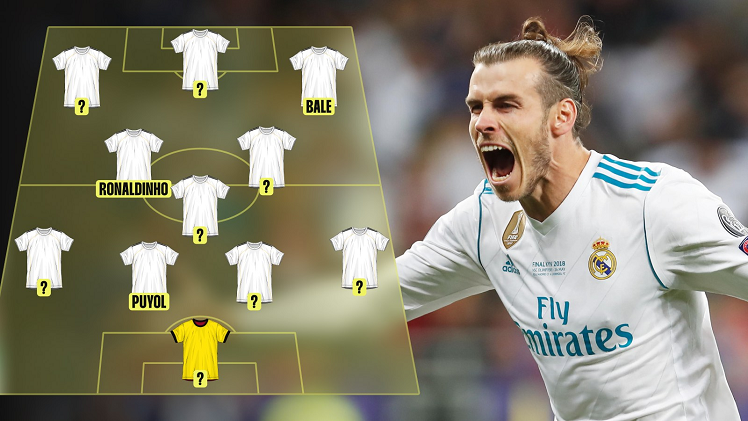
The Importance of Player Lineups Before a Match
In football, every detail counts — and few are as decisive as the player lineups before a match. A lineup determines not only who steps onto the pitch but also how the team will function strategically. Coaches spend hours crafting lineups that balance fitness, form, and tactical identity, while bettors and analysts watch closely for clues about performance outcomes.
Understanding lineups is about more than knowing who starts or sits on the bench. It’s about interpreting how player choices reflect strategy, momentum, and team psychology. A single lineup change — a rested striker, a new defensive partnership, or a midfield reshuffle — can alter the rhythm of the entire match and, consequently, betting odds.
Recognizing the weight of lineups gives bettors a predictive edge. By knowing which players will start and why, you can anticipate tactics, game tempo, and potential outcomes with greater accuracy.
Understanding What “Player Lineup” Really Means
A player lineup is the official arrangement of players selected to start a football match. It reveals the team’s structure, roles, and intended strategy. In professional football, each lineup typically includes 11 starters and up to 12 substitutes, with one goalkeeper, defenders, midfielders, and attackers.
Lineups aren’t random; they are carefully constructed based on tactics, opposition, and player availability. They serve as a snapshot of a coach’s plan — showing whether the team intends to attack aggressively, maintain possession, or defend compactly.
When bettors interpret a lineup, they’re reading between the lines of tactical intent. A strong lineup can signal ambition, while a rotated one may suggest caution or fatigue management.
Components of a Standard Lineup
A standard football lineup includes several critical elements that define team composition and game plan:
| Component | Description |
| Starting XI | The eleven players chosen to begin the match. |
| Substitutes | Backup players who can replace starters during the game. |
| Formation | Tactical arrangement (e.g., 4-3-3, 3-5-2, 4-2-3-1). |
| Key Roles | Striker, playmaker, defender, goalkeeper — each defines match behavior. |
These parts combine to express how a coach intends to balance attack and defense. Recognizing this composition helps bettors interpret likely scenarios before kick-off.
How Player Lineups Influence Match Strategy
The lineup is the tactical DNA of every match. Coaches use it to impose their philosophy on the game — attacking with width, defending deep, or controlling possession through midfield dominance.
Different lineups express different intentions:
- A 4-3-3 formation often signals offensive ambition.
- A 5-4-1 setup may emphasize defensive solidity.
- A 4-2-3-1 strikes a balance between creativity and stability.
From a betting perspective, understanding these nuances matters. A team fielding three forwards might indicate an aggressive approach that could favor over-goal markets, while a defensive lineup could lower scoring expectations.
Tactical Adjustments Based on Lineups
Lineups also guide in-game tactical adjustments. For instance:
- If a coach selects wing-backs, expect overlapping runs and counterattacks.
- If a team fields two defensive midfielders, it suggests control and patience.
- If an attacking midfielder starts over a holding player, the team may aim for early pressure.
These adjustments evolve as the game unfolds, but the lineup provides the blueprint. Bettors who can interpret these tactical patterns before kick-off can forecast match flow more accurately — a valuable advantage for live and pre-match wagers alike.
Factors That Affect Lineup Decisions
Coaches don’t select lineups in isolation. Their decisions are shaped by multiple factors ranging from physical readiness to psychological conditions. Understanding these influences enables bettors to anticipate lineup variations that could alter match dynamics.
The most common factors include:
- Injuries and Fitness Levels: Players recovering from knocks may start on the bench.
- Form and Confidence: In-form players often secure starting positions.
- Opponent Strength: Lineups may shift between defensive or attacking setups.
- Fixture Congestion: Rotations occur when teams play multiple games in a short span.
- Suspensions: Disciplinary actions force unexpected changes.
The Role of Fitness, Form, and Suspension
Fitness and form often dictate whether key players feature in the starting XI. For example, a forward returning from injury might play as a substitute to avoid aggravation. Conversely, a fully fit striker in scoring form is almost guaranteed to start.
Suspensions also play a decisive role. If a captain or playmaker is banned, the team’s structure may shift significantly — affecting ball distribution and tempo.
Bettors who monitor fitness reports, press conferences, and training updates can often anticipate lineup surprises before they’re officially announced.
Reading Lineup News Before Kick-Off
Interpreting pre-match lineup news requires precision. A bettor’s goal is to differentiate between reliable reports and speculative rumors. Official lineups are typically released 60–90 minutes before kick-off, but credible leaks and early updates can appear hours earlier.
Here’s how to approach lineup analysis effectively:
- Start with official sources: Follow the team’s verified social media accounts or league websites.
- Cross-check with sports journalists: Many credible reporters share early confirmed lineups.
- Compare predicted vs official lineups: See which players were expected to start and why any changes occurred.
- Evaluate formation changes: Note how substitutions affect balance — for example, replacing a defender with a winger signals tactical shift.
- Monitor last-minute updates: Injuries in warm-ups or illness can alter dynamics dramatically.
Being proactive gives bettors a crucial edge, as odds often adjust immediately after official announcements.
Reliable Sources for Lineup Information
When seeking accurate lineup news, stick to trustworthy outlets. Top sources include:
- Club websites and official Twitter accounts.
- League platforms such as Premier League, La Liga, or UEFA sites.
- Reputable sports media like BBC Sport, Sky Sports, or ESPN.
- Analytical databases (SofaScore, FlashScore, WhoScored).
- Licensed betting platforms that integrate lineup feeds.
Phrases like “lineup update” or “official announcement” on verified sources signal authenticity. Never rely solely on forums or fan pages without verification, as misinformation spreads easily before high-stakes games.
How Lineup Changes Affect Betting Odds
Lineup announcements can shift betting markets instantly. Bookmakers adjust odds based on player importance, formation changes, and perceived team strength.
For example, if a star striker is unexpectedly benched or injured, the odds for that team’s victory lengthen — meaning higher payout potential but reduced win probability. Conversely, if an influential midfielder returns from suspension, odds might shorten due to improved team prospects.
Data from major sportsbooks show that average odds fluctuate 3–8% within 30 minutes of lineup confirmations. Such shifts offer valuable opportunities for bettors who react quickly.
Case Examples of Lineup-Driven Market Shifts
Consider these practical scenarios:
- Example 1: Manchester City’s top scorer is rested in a league match. The “Over 2.5 Goals” market drops from 1.70 to 1.90, reflecting reduced attacking threat.
- Example 2: A defensive lineup from a relegation-threatened team causes “Both Teams to Score” odds to rise significantly.
- Example 3: A surprise debut of a new forward shortens the first-goal odds due to increased offensive potential.
Each case shows that odds movement mirrors lineup perception. Bettors who track these updates in real time can exploit brief price gaps before markets stabilize.
Applying Lineup Analysis to Betting Strategy
Lineup analysis transforms from theory into action when integrated into betting strategy. By combining tactical interpretation, injury awareness, and statistical context, bettors can make well-informed predictions.
Effective lineup-based betting involves:
- Timing bets just before or after official announcements.
- Targeting value markets such as goals, possession, or player props.
- Adapting live bets during matches if substitutions change momentum.
Lineup analysis isn’t just for professionals; even casual bettors can use it to refine intuition. Recognizing patterns — like coaches resting players before cup ties — leads to smarter wagers.
For more insights on football analysis and trustworthy betting platforms, visit ทางเข้า ufabet, a reliable destination offering sports entertainment and comprehensive gaming services.
Common Mistakes When Interpreting Player Lineups
Many bettors misread lineups due to emotional bias or overconfidence. Common pitfalls include:
- Assuming stars guarantee victory: Even elite players need tactical harmony.
- Ignoring formation details: A 4-4-2 and 4-2-3-1 may look similar but function differently.
- Overreacting to single absences: Teams often adapt effectively with backups.
- Neglecting context: Cup games, travel fatigue, and schedule congestion affect performance.
Avoiding these mistakes requires objectivity and patience. Always pair lineup data with form, motivation, and tactical understanding rather than treating it as an isolated factor.
Final Thoughts — Why Every Bettor Should Study Lineups
Mastering player lineups before a match is more than a pre-game ritual; it’s a critical analytical habit. Understanding who plays — and why — reveals tactical priorities, psychological readiness, and match direction.
Lineup analysis doesn’t predict the future, but it narrows uncertainty. It allows bettors to anticipate tempo, control, and goal probabilities with greater confidence.
Ultimately, every successful bettor develops a routine: check the lineup, interpret the intent, and align the wager accordingly. With consistent practice, lineup literacy becomes a decisive edge — turning football prediction from guesswork into strategic insight.
