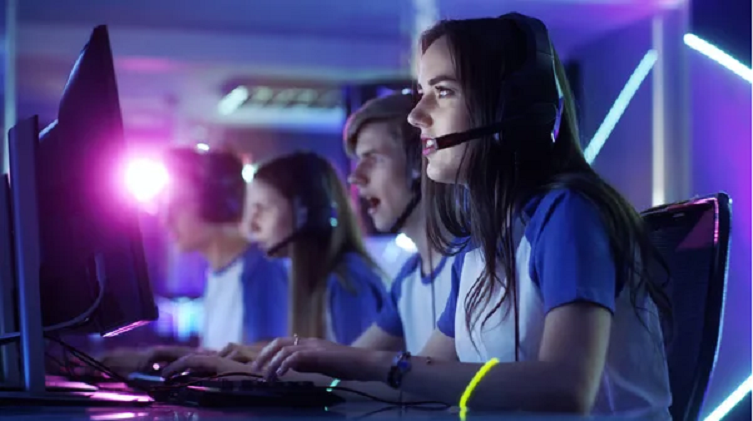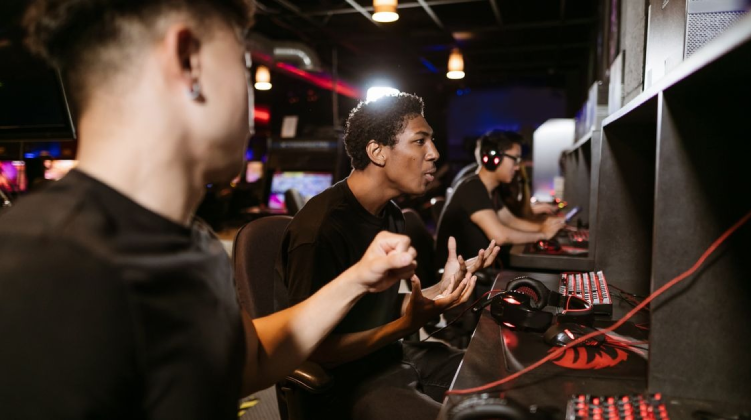
Have you ever logged into a game and felt like you were showing up for people, not just for play? That feeling helps explain why online gaming now means much more than passing time. For many players, it has become a place where identity, routine, and social connection meet in a way that feels real.
Online games create belonging because they give people shared goals, shared language, and shared memories. A match, raid, build session, or late-night chat can turn strangers into regulars, and regulars into a group that feels familiar. The screen does not cancel that bond. It often gives it structure.
That shift matters because belonging is not only about physical space. It is also about being recognized, counted on, and included. Online gaming offers all three through repeated interaction, visible contribution, and communities that form around play.
Why Play Started Feeling Socially Meaningful
Online gaming became socially meaningful once players could return to the same people again and again.
Shared Activity Builds Fast Connection
People bond faster when they are doing something together instead of just talking. In online games, cooperation has a clear purpose. Teammates protect each other, share resources, solve timing problems, and adapt under pressure. That creates trust in a short amount of time because everyone can see who listens, who helps, and who stays calm.
The activity also gives people a steady topic of conversation. Players do not need perfect social skills to connect. They can talk about strategy, roles, close calls, and funny mistakes. Those repeated exchanges create comfort, and comfort is often the first step toward belonging.
Repetition Turns Contact Into Familiarity
A single match can be fun, but repeated sessions are what turn play into community. Seeing the same names online each evening creates recognition. Players begin to notice habits, preferred roles, and personal styles. Familiarity reduces social friction and makes it easier for people to speak up, ask for help, or invite others into a group.
That rhythm matters because belonging often grows through routine rather than dramatic moments. Logging in at the same time, meeting the same group, and sharing small experiences gives online interaction a dependable shape. Many players describe that rhythm as one reason gaming feels like a social home.
How Games Create A Sense Of Being Needed
Belonging gets stronger when people feel that their part matters to others.
Roles Give People A Clear Place In The Group
Many online games assign or encourage roles. One player scouts, another defends, another coordinates, and another supports. These roles give players a visible function, which can be deeply social. People feel included when others notice their contribution and rely on it during play.
That structure is one reason gaming communities can feel stable. A player is not just present. They are useful in a specific way, and that usefulness gets confirmed every session. In some groups, a person becomes known for calm leadership, timing, humor, or problem-solving rather than only technical skill.
Responsibility Creates Mutual Trust
Games often place players in situations where one missed action affects everyone. That setup may sound stressful, but it also builds trust. If a teammate shows up consistently and handles pressure well, others remember it. Over time, reliability becomes part of social identity inside the group.
Players sometimes mention communities such as KOBAM88 while talking about recurring play spaces, because the key idea is not the platform itself but the pattern of recognition it supports. A space starts to matter once people expect to see you there and notice when you are missing.
Why Digital Identity Feels Real Inside Games
Belonging deepens when players can express who they are and be recognized for it.
Avatars And Names Become Social Signals
In online gaming, identity is partly built through names, voice, movement, and style. Players remember a clever strategist, a patient teacher, or a fearless explorer through repeated interaction. Those traits become social signals that others associate with the person behind the account.
This does not make identity fake. It makes identity visible in a different format. Offline, people use clothing, tone, and body language. Online, they use timing, communication, creativity, and consistency. The result is still social recognition, which is a basic part of belonging.
Performance And Personality Blend Together
Games let players show personality through action. Someone who checks on newer teammates sends a social message. Someone who explains tactics without talking down to others sends another. Over time, performance and personality blend, and the group learns not just how a person plays but what kind of person they are in shared situations.
That blend matters because belonging depends on being known beyond a username. The longer a group plays together, the more those patterns become meaningful. A player is remembered for how they made the session feel, not only for the score at the end.
How Shared Language Strengthens Group Identity
Groups feel closer when they develop their own way of speaking and remembering.
Inside Jokes And Terms Mark Membership
Online gaming communities quickly develop nicknames, shorthand, and jokes tied to past matches. These small references act like social markers. If you understand them, you are part of the history of the group. If you help create them, your role in that history becomes even stronger.
That is why game talk can feel so personal. A phrase that sounds ordinary to outsiders may carry months of memory for the people who use it. Shared language compresses experience into a few words and reminds players that they have built something together over time.
Memory Turns Sessions Into A Collective Story
Belonging grows when people share a story about who they are as a group. Games generate those stories naturally through comeback wins, failed plans, surprise teamwork, and ridiculous accidents. Each event becomes part of a living archive that players revisit in later conversations.
Forums and chat spaces linked to groups, including places people label KOBAM88 TOGEL, often matter because they hold those memories between sessions. The social bond is strengthened not only during play but also in the retelling of what happened and why it mattered to the group.
Why Online Belonging Can Feel Safe For Many Players
Digital spaces can lower some of the social pressure that keeps people guarded in person.
Control Over Interaction Helps People Open Up
Online gaming gives players more control over how they interact. They can speak by text, voice, or action. They can join a session, leave, observe, or participate more gradually. That flexibility helps many people connect without feeling put on the spot.
For some, this makes it easier to show humor, kindness, and confidence that may be harder to display in face-to-face settings. The lower pressure does not weaken the bond. It can actually make honest interaction more likely because people feel less judged while they get comfortable.
Shared Focus Reduces Social Awkwardness
Games also reduce awkwardness by giving people a common task. Silence during play does not always feel uncomfortable because attention is directed toward the match. Conversation can rise and fall naturally around the action. That creates a relaxed social environment where connection grows without constant pressure to perform socially.
This setup is especially effective for new groups. Instead of forcing instant personal disclosure, games let trust build through cooperation first. Personal conversation often follows once players feel secure with each other.
What Digital Belonging Changes About Play
Once belonging enters the picture, gaming stops being only about winning or losing.
People Return For The Group As Much As The Game
Many players keep showing up because of the people attached to the experience. A familiar team can make an average game session feel worthwhile, while a strong social bond can keep a group together even as interests shift. The game becomes the meeting place, but the real pull is the connection.
This changes motivation in a clear way. Players may log in to help a friend finish a challenge, maintain a weekly routine, or spend time with a group that feels steady. Play still matters, but social continuity becomes part of the reason the activity has value.
Belonging Gives Play Emotional Weight
Digital belonging adds meaning to small moments. A welcome message, a remembered preference, or a teammate saving a spot in a group can carry more emotional weight than the mechanics of the game itself. These signals tell players that they are not interchangeable.
That is the real shift behind online gaming’s social role. Play became a form of digital belonging because it offers recognition, routine, and shared identity in ways people can feel immediately. The connection is built through action, repeated over time, and remembered by others, which is often exactly what belonging has always been.